

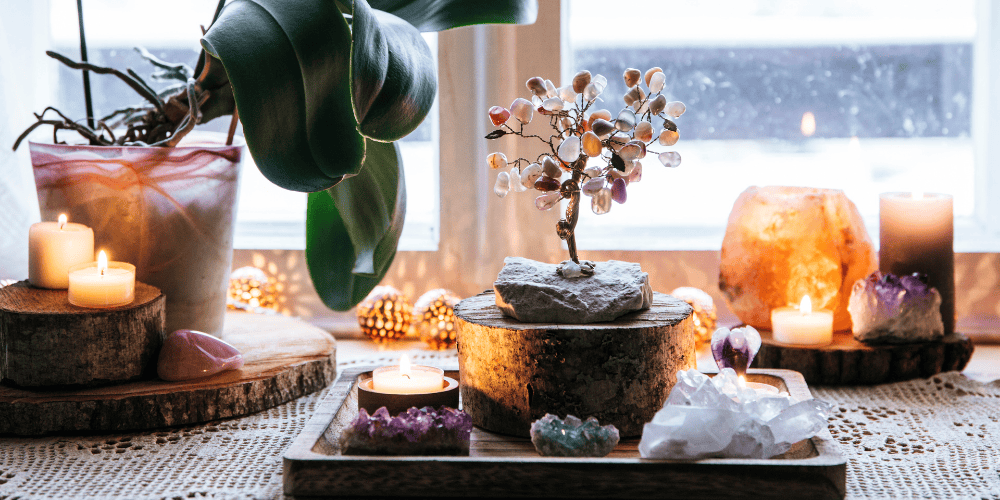

As we enter a new season or chapter in life, many of us seek ways to refresh and rejuvenate our surroundings. One of the most powerful tools for transforming your living space is Feng Shui, an ancient Chinese practice that harmonizes individuals with their environment. By making mindful adjustments in your home, you can create a more balanced, peaceful, and positive atmosphere that encourages well-being, productivity, and serenity.
Whether you’re looking for a fresh start after a major life change or simply want to improve the energy flow in your home, Feng Shui offers practical and accessible tips to create a space that supports your goals. In this article, we’ll explore how you can bring balance and positivity into your home using the timeless principles of Feng Shui.
1. Declutter to Clear the Energy Path
The first step in any Feng Shui practice is decluttering. Clutter, whether it’s physical items or mental distractions, can create blockages in the flow of energy (or chi) within your space. According to Feng Shui, a cluttered environment leads to stagnant energy, which can result in stress, fatigue, and a sense of overwhelm.
To invite fresh energy into your home, start by purging items that no longer serve you. Go room by room, removing anything broken, outdated, or unused. This not only improves the physical appearance of your space but also clears emotional and mental clutter, leaving room for new opportunities and positive vibes to enter your life.
Pro Tip: Pay special attention to the corners of rooms, as they can accumulate stagnant energy. Make sure these areas are clean and well-lit.
2. Harness the Power of Natural Light
Natural light is a key element in Feng Shui, symbolizing clarity, positivity, and vitality. Bright, well-lit spaces encourage a sense of openness and renewal. If your home feels dark or dreary, consider adding more natural light by opening windows, using lighter curtains, or even placing mirrors strategically to reflect sunlight.
If you don’t have ample access to natural light, artificial lighting can be used strategically as a substitute. Opt for warm, soft lighting rather than harsh fluorescent bulbs to create a calming atmosphere.
Pro Tip: Place plants near windows to enhance the flow of positive energy and to improve air quality—both of which are essential for creating a fresh and vibrant home environment.
3. The Importance of the Entryway: First Impressions Matter
In Feng Shui, the front door is considered the “mouth of chi”—the primary entry point for energy into your home. A well-maintained and inviting entryway helps to ensure that positive energy flows freely throughout your space. A cluttered, dark, or neglected entrance can block the flow of good energy, leading to missed opportunities and feelings of stagnation.
To create a welcoming entry, make sure the area is tidy and clear. Consider adding a doormat, plants, or artwork that symbolizes positivity and new beginnings. Fresh flowers, a bright light fixture, or a coat of fresh paint can all elevate the energy of the entryway.
Pro Tip: A mirror near the entry door can help reflect energy back into your home, but be cautious about placing it directly opposite the door, as it could reflect energy right back outside.
4. Balance the Elements: Wood, Fire, Earth, Metal, and Water
Feng Shui is rooted in the balance of five key elements: Wood, Fire, Earth, Metal, and Water. Each of these elements contributes to the overall harmony and energy of your home. By consciously incorporating each element in your space, you can foster a sense of balance and flow.
- Wood: Symbolizes growth, vitality, and new beginnings. Incorporate plants, wooden furniture, or natural wood finishes.
- Fire: Represents passion, energy, and transformation. Add candles, lamps, or red accents to bring warmth and vibrancy to your space.
- Earth: Grounds and stabilizes energy. Use ceramics, stone, crystals, or earthy tones like browns and beige to enhance this element.
- Metal: Reflects clarity, precision, and structure. Incorporate metal decor, such as vases or picture frames, or use metallic colors like gold, silver, or white.
- Water: Promotes flow, abundance, and emotional healing. Water elements like fountains, mirrors, or blue and black tones can help increase harmony and relaxation.
Pro Tip: Balance is key—too much of one element can overwhelm the space, while too little can lead to an imbalance in energy. Aim for a subtle integration of all five elements.
5. Create a Serene Bedroom for Restful Sleep
Your bedroom plays a significant role in your overall well-being, as it’s the place where you rest and recharge. In Feng Shui, a peaceful, harmonious bedroom encourages restorative sleep, better relationships, and personal growth. To achieve this, consider the following tips:
- Position the bed: Place the bed in the command position, which means it should be positioned where you can see the door but not be directly in line with it. Avoid placing the bed under a window or facing a mirror, as these can disrupt sleep energy.
- Choose calming colors: Soft, soothing colors like pale blues, greens, and neutrals help create a tranquil space. Avoid overly bright or harsh colors that could lead to restlessness.
- Eliminate distractions: Keep electronics, such as TVs or phones, out of the bedroom to promote a peaceful, tech-free environment.
Pro Tip: Invest in quality bedding and ensure the bed is comfortable and inviting. The bedroom is a sanctuary for your mind and body, so prioritize comfort and relaxation.
6. The Power of Plants: Bringing Nature Indoors
Incorporating plants into your home is one of the easiest and most effective ways to boost positive energy and enhance the flow of chi. Plants are living symbols of vitality, growth, and rejuvenation, making them perfect additions to any room.
According to Feng Shui, plants with rounded or lush leaves bring a sense of abundance, while spiky plants (like cacti) may create sharp or disruptive energy. Be sure to care for your plants by keeping them healthy and vibrant.
Pro Tip: Place plants in the wealth corner (the far left corner of a room) to enhance prosperity and abundance. Bamboo, in particular, is known for its ability to attract good fortune.
7. Use Aromatherapy for Added Calm
Scents can have a profound impact on the energy in your home. Essential oils, candles, and incense can help create a soothing and uplifting atmosphere. Scents like lavender, jasmine, and sandalwood are known for their calming properties, while citrus or peppermint scents can invigorate the senses.
By incorporating pleasant aromas into your space, you can enhance the overall Feng Shui of your home and create a more positive, harmonious environment.
Pro Tip: Always use natural and high-quality products to avoid introducing synthetic or potentially harmful chemicals into your living space.
Creating a Positive Space for a Fresh Start
Feng Shui is more than just arranging furniture—it’s about creating a space that nurtures your physical, emotional, and spiritual well-being — decluttering, balancing the elements, and bringing in natural light and plants.
Remember, Feng Shui is a personal practice, and it’s important to tailor it to your needs and preferences. Small changes can make a big impact, so take it step by step and enjoy the process of transforming your home into a sanctuary of balance, peace, and positivity.
You May Also Like




Browse PMM Today

Plus-Size Modeling Terms You Need to Know

The Modern Way to Building a Modeling Portfolio: A Step-by-Step Guide

Back to School Prep Tips for Busy Parents: 7 Easy Hacks You’ll Love

Are We Settling in Love (and Not Even Realizing It)?

Marina Rinaldi x World Woman Foundation Event

Global Plus‑Size Modeling Movement: A Bold Shift in Fashion
Explore by topic: Models & Modeling · Cover Model · Fashion, Style & Beauty · Featured Interviews · Trends