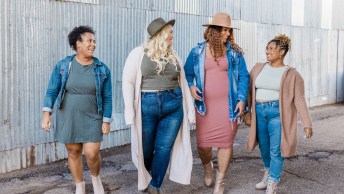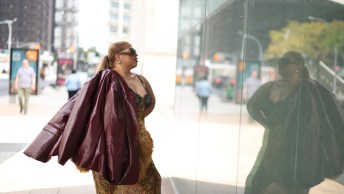



The modeling industry is vast and diverse, with various niches catering to different types of campaigns, audiences, and products. Among the most recognized categories are fashion modeling and commercial print modeling. While both fields may seem similar to outsiders, they are quite distinct in terms of skill sets, appearance requirements, and the nature of the work. Understanding these differences can shed light on the career paths of models who may want to pursue one or both types of modeling.
1. Purpose and Audience
The primary distinction between fashion modeling and commercial print modeling lies in the intended purpose of the imagery.
- Fashion Modeling: Fashion models primarily focus on showcasing clothing, accessories, and high-end fashion trends. The images they produce are meant for glossy magazines, runway shows, or brand campaigns that are targeted at an audience that follows current trends. Fashion modeling is often more aspirational, with the goal being to inspire or evoke emotion through the art of fashion. The audience is usually fashion-conscious individuals who are interested in the latest styles and trends.
- Commercial Print Modeling: On the other hand, commercial print models are hired for their versatility and their ability to sell products or services in a relatable, everyday way. Commercial campaigns can range from beauty products to household items, and the target audience is much broader—essentially, anyone who might use or buy the product being advertised. Commercial modeling is less about high fashion and more about connecting with consumers in a direct, approachable way.
2. Look and Aesthetic
The look and physical requirements for each category also differ significantly.
- Fashion Modeling: In fashion modeling, the industry has long been associated with strict physical standards. Height is typically a major factor—fashion models are often expected to be between 5’8″ and 6’0″ (though this has become more flexible in recent years). Body proportions are important, as fashion designers often seek body types that fit into their clothing samples. High-fashion models are also expected to have striking or unique features that make them stand out, as their appearance needs to fit the designer’s vision or a specific campaign’s artistic style.
- Commercial Print Modeling: Commercial print models, however, are not expected to conform to one specific body type or look. They may have more diverse body shapes, sizes, and ages, and can be as young as teenagers or as old as retirees, depending on the product or service being advertised. The focus is not on “perfection,” but on being relatable, approachable, and marketable to a broader demographic. In fact, many commercial print models are chosen for their ability to represent real people and evoke a sense of everyday life, rather than the highly stylized world of fashion.
3. Types of Work and Campaigns For a Fashion Model and a Commercial Print Model
Another notable difference is the type of campaigns and projects that models typically participate in.
- Fashion Modeling: Fashion models are often featured in editorial spreads, runway shows, advertising for high-end designer brands, and exclusive fashion campaigns. These projects are visually dramatic and artistic, with emphasis on the latest trends or couture collections. The settings for fashion shoots might be glamorous or avant-garde, and the model’s role is often to blend seamlessly into the overall concept of the shoot or show.
- Commercial Print Modeling: Commercial print models, by contrast, work on advertisements for a wide variety of products. These can include anything from household appliances, food and beverages, fitness products, beauty services, travel, or even financial products. The photos are typically less dramatic and focus more on lifestyle, function, and the model’s interaction with the product. A commercial print model might be seen smiling while holding a bottle of water, using a skincare product, or enjoying a family meal—all images that resonate with the everyday consumer.
4. Emotional Expression and Posing
The way models express themselves in front of the camera is another area where these two disciplines diverge.
- Fashion Modeling: Fashion models often need to convey a sense of mystery or emotion in their expressions and poses. The goal is to make the clothing or product the focal point, with the model serving as a canvas for the designer’s vision. Fashion models are trained to hold dramatic, strong poses and exude confidence, often with more reserved or high-fashion expressions. This type of modeling requires flexibility and a high level of artistic expression.
- Commercial Print Modeling: In contrast, commercial print models are usually expected to look more natural, approachable, and friendly. Their poses are typically more relaxed, and their expressions are meant to convey warmth and relatability. These models often need to convey a sense of trustworthiness or joy, especially when representing lifestyle products. This requires an ability to engage with the camera in a way that feels genuine and relatable, making the product appear accessible to the audience.
5. Job Security and Industry Longevity Between Being a Fashion Model and a Commercial Print Model
Job security in the modeling industry can vary greatly depending on the type of modeling pursued.
- Fashion Modeling: Fashion models often (not always) experience less career longevity compared to their commercial counterparts. However, those who succeed in building a strong brand and reputation—like models who become household names—can still find opportunities well into their 30s or even 40s.
- Commercial Print Modeling: Commercial print models typically experience longer careers because the industry is more focused on personality, diversity, and versatility. Commercial modeling is less about age and more about the ability to adapt to different types of campaigns. Models in this category can work into their 40s, 50s, or beyond, as long as they maintain a relevant look for the brands they represent. Moreover, because commercial modeling is so varied, models in this field can often find steady work in a variety of different industries.
6. Compensation and Demand
Finally, the pay scale and demand for models in these fields can differ depending on the project.
- Fashion Modeling: High-fashion models can command top-tier rates, especially when working with prestigious designers or major ad campaigns. However, breaking into the fashion world is notoriously competitive, and many models spend years building their portfolios before landing high-paying jobs. Fashion modeling can also involve more exclusive contracts, which might limit the number of projects a model can work on at any given time.
- Commercial Print Modeling: While commercial print models may not earn as much for each individual job as their fashion counterparts, the volume of work can make up for it. Commercial modeling is typically more accessible and can involve frequent, steady work across a range of industries. As a result, commercial models may experience more consistent earnings over time.
Although fashion modeling and commercial print modeling are both facets of the modeling industry, they cater to different goals, aesthetics, and types of work.
Fashion modeling is more about creating an artistic or aspirational image to showcase clothing and trends, whereas commercial print modeling is focused on selling products and building a connection with a broad audience. Both fields require distinct skill sets and offer unique opportunities for models, and many professionals successfully navigate between the two, depending on their career goals and opportunities. Ultimately, whether in high fashion or commercial print, the world of modeling offers a variety of ways for individuals to express themselves and thrive in the industry.
MORE: 12 Types of Modeling Jobs You Can Pursue
Follow us on IG @pmmtoday
You May Also Like

Get Signed as a Model Without Experience: A Realistic, Modern Guide for Beginners

Adaptive Plus Size Fashion: How Leah Graifer Turned Fit Frustrations Into Lea Lea Love Clothing
Plus Size Modeling Digitals Checklist: Don’t Send Your Photos to an Agency Until You Do These Things

Suzanne Ujaque Is Transforming Plus-Size Fashion in Puerto Rico
Browse PMM Today

Portfolio Photoshoot Prep: What Your Photographer Wants You to Know Before You Strike a Pose
Glowing Skin Secrets: How to Get That ‘I Woke Up Like This’ Look
Our Editor Takes on a Bold New Role in the Modeling Industry, Booking Agent & Media Relations Manager

When Life Feels Too Expensive to Live
From Runway to Revolution: Gwen DeVoe is Just Getting Started

The 5 Skincare Products Dermatologists Secretly Swear By (Over 40 Edition)
Explore by topic: Models & Modeling · Cover Model · Fashion, Style & Beauty · Featured Interviews · Trends