

Yoga is often perceived as a practice reserved for the flexible, lithe, or “athletic” body type, but the truth is that yoga is for everyone, regardless of size, shape, or fitness level. Yoga offers profound physical, mental, and emotional benefits that can be experienced by people of all sizes and backgrounds. Whether you’re looking to improve your strength, reduce stress, or simply move with more ease, yoga is a practice that meets you where you are.
In this article, we’ll explore the many benefits yoga can offer for individuals of all sizes, and provide suggestions for inclusive classes and reading materials to help you feel confident in your yoga journey.
1. Physical Benefits: Strength, Flexibility, and Mobility
Yoga is renowned for its ability to improve flexibility, but it also plays a key role in building strength, balance, and overall mobility.
- Improved Flexibility and Mobility: Even if you don’t feel particularly flexible at first, yoga helps your body gradually increase flexibility. Many yoga poses stretch muscles and joints that may have become tight due to sedentary lifestyles, poor posture, or lack of movement. Increased flexibility leads to greater joint mobility, which can alleviate discomfort and improve your daily movement.
- Strength Building: Yoga is an excellent way to build both physical strength and endurance. Many yoga poses (like plank, warrior, and boat pose) require you to support your body weight, helping to build muscle strength in the arms, core, and legs. As your strength improves, you may notice better posture, reduced aches and pains, and an increase in functional strength.
- Joint Health: Yoga helps keep the joints limber and strong. The low-impact nature of the practice means it’s gentle on your joints, making it a great choice for individuals with conditions like arthritis, joint pain, or stiffness. With regular practice, yoga can also reduce inflammation, improve circulation, and promote recovery after intense physical activity.
2. Mental Health Benefits: Stress Relief and Emotional Well-Being
Yoga has long been associated with mental clarity and emotional balance. The practice of breathing deeply and mindfully helps to activate the parasympathetic nervous system, which calms the body and reduces stress levels.
- Stress Reduction: The combination of physical movement and deep breathing allows yoga practitioners to release tension and stress from both the body and mind. This practice can lower cortisol levels (the stress hormone), which can help prevent the physical and emotional toll of chronic stress, such as anxiety, irritability, and sleep disturbances.
- Mindfulness and Emotional Regulation: Yoga encourages present-moment awareness, which helps you tune into your body and emotions. Whether you’re struggling with body image, stress from work or relationships, or feelings of frustration, yoga provides a space to process those emotions with compassion. The mental clarity gained through regular practice can foster a sense of emotional resilience and overall well-being.
- Improved Self-Esteem: Yoga also helps build a positive relationship with your body. As you move through postures and learn to appreciate your body’s strength and flexibility, you may notice an improvement in self-acceptance and self-love. Yoga teaches you to honor and care for your body, regardless of its size or appearance.
3. Holistic Health: Connection Between Mind, Body, and Spirit
Yoga is more than just a physical workout—it’s a holistic practice that integrates mind, body, and spirit. This integration leads to a deeper understanding of your physical self and a more meaningful connection to your inner self.
- Enhanced Body Awareness: Yoga helps you cultivate greater body awareness, paying attention to how different movements and stretches feel in your body. This connection allows you to become more in tune with your physical needs, helping you prevent injury and manage discomfort. It also helps you appreciate what your body is capable of, fostering a sense of gratitude.
- Breathwork and Relaxation: Deep, intentional breathing is a cornerstone of yoga practice. Learning how to control your breath—through techniques like pranayama (breathing exercises)—can help you relax, reduce anxiety, and improve your overall energy. Breathwork also helps you stay grounded and centered during your practice, making yoga a great tool for mental clarity and emotional balance.
- Spiritual and Mind-Body Connection: Yoga often incorporates meditation or mindfulness practices, allowing you to connect with your deeper sense of self. This can help you develop a spiritual practice that complements your physical health journey, regardless of religious background. The balance and harmony cultivated through yoga can lead to greater inner peace and a sense of calm that extends beyond the mat.
4. Inclusive Classes and Yoga for All Sizes
One of the most exciting developments in the yoga world is the growing movement toward inclusivity. There is a wealth of resources available for individuals of all sizes, shapes, and abilities who want to explore the benefits of yoga.
Yoga Styles and Classes for All Sizes
- Chair Yoga: For those who have mobility limitations or prefer a gentler approach, chair yoga is an excellent option. Using a sturdy chair for support, participants can practice yoga poses seated or with support from the chair. This style is accessible to people of all sizes and fitness levels and can improve flexibility, strength, and relaxation.
- Gentle Yoga or Restorative Yoga: These classes are slower-paced and emphasize deep stretching, relaxation, and mindful movement. Gentle or restorative yoga is ideal for people who are new to yoga, dealing with physical discomfort, or simply looking for a more nurturing practice. These classes allow you to move at your own pace and modify poses as needed.
- Yin Yoga: This slower style of yoga involves holding poses for an extended period (3-5 minutes), which targets deep connective tissues like ligaments and fascia. Yin yoga can be incredibly beneficial for improving flexibility and promoting relaxation. It’s a great option for individuals looking for a meditative and low-impact practice.
- Plus-Size Yoga Classes: Some studios offer yoga classes specifically designed for larger bodies, often taught by instructors who are themselves plus-sized or have experience working with individuals of all sizes. These classes are safe, supportive, and designed to focus on strength, flexibility, and self-acceptance without feeling out of place.
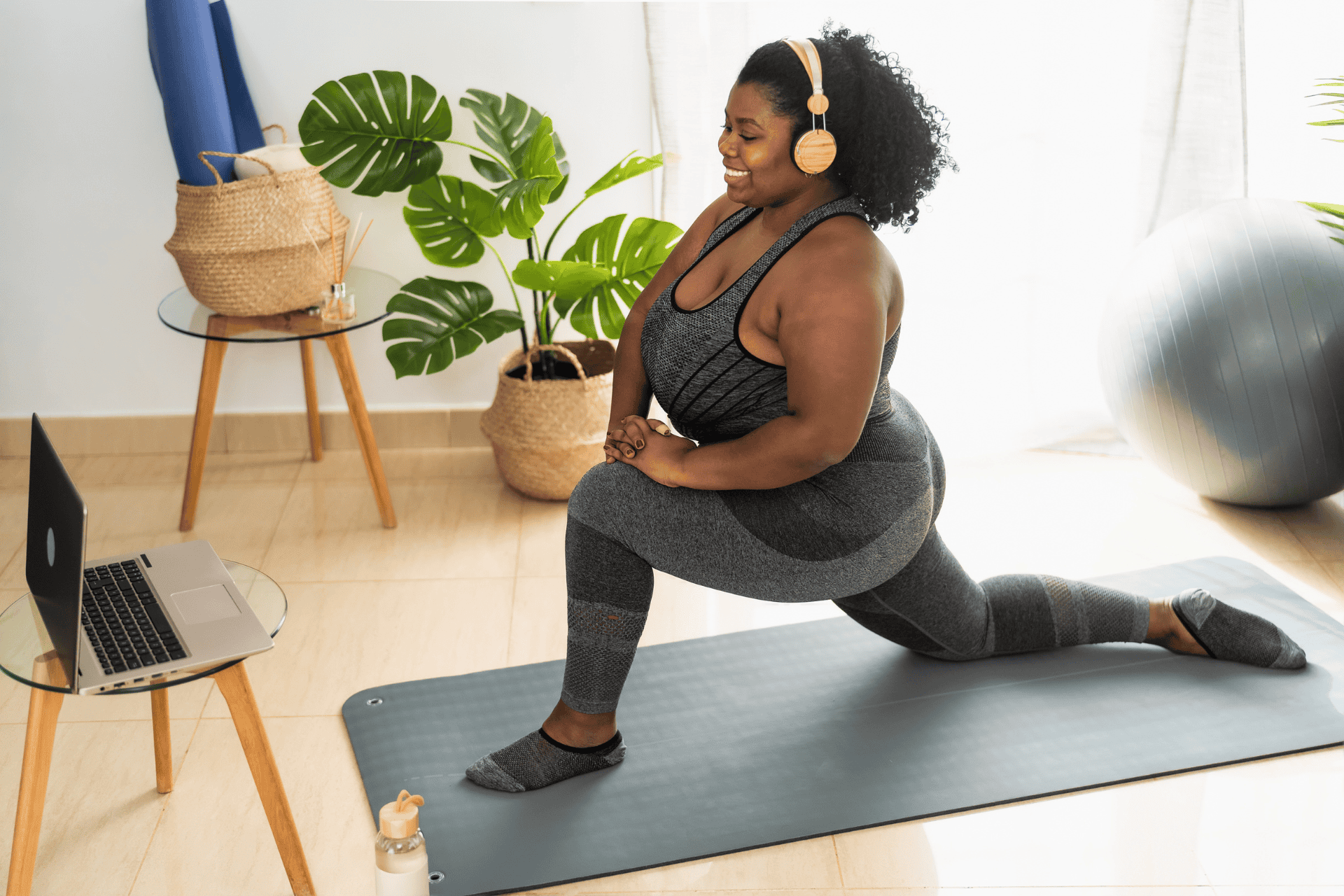
- Online Classes: If you don’t have access to an inclusive yoga studio in your area, there are many online platforms offering virtual yoga classes for people of all sizes. Look for classes labeled “body-positive” or “inclusive yoga” to ensure that the teaching style and philosophy align with your needs.
Recommended Reading Materials
If you’re looking to dive deeper into the practice of yoga, there are many books and resources that embrace body diversity and inclusivity in yoga. Some recommendations include:
- “Yoga for Everyone: 50 Poses for Every Type of Body” by Christina L. R. Matthews: This book offers step-by-step instructions for yoga poses that are accessible to people of all body types. It includes modifications and variations to ensure that yoga is available for everyone.
- “The Yoga of Eating” by Charles Eisenstein: This book takes a unique approach by blending mindfulness, yoga, and food. It explores how the practice of yoga can lead to a more intuitive, compassionate relationship with food and body image.
- “Body Positive Power: Because Life Is Already in the Way” by Megan Jayne Crabbe: While not strictly a yoga book, this empowering guide discusses body positivity and self-love, which are important aspects of the mental and emotional benefits of yoga. It’s a great resource for anyone looking to build confidence in their body.
- “Every Body Yoga: Let Go of Fear, Get On the Mat, Love Your Body” by Jessamyn Stanley: Jessamyn Stanley, a plus-size yoga instructor, offers a body-positive guide to yoga that is perfect for people of all shapes and sizes. This book focuses on breaking down barriers to starting a yoga practice and building confidence along the way.
- “The Yoga Teacher’s Guide to Working with Larger Bodies” by Dianne Bondy: Written by a renowned body-positive yoga instructor, this book provides teachers and practitioners with strategies and tips for practicing and teaching yoga in a way that’s inclusive and accessible to people of all sizes.
Conclusion: Yoga Is for Every Body
Yoga offers a wealth of benefits for individuals of all sizes, from building physical strength and flexibility to improving mental health and self-esteem. Whether you’re looking to improve your posture, reduce stress, or cultivate a deeper connection with your body, yoga meets you where you are.
By seeking out inclusive classes and practicing with an open heart, you can unlock the transformative potential of yoga—no matter your size. Remember, yoga is not about achieving the perfect pose but about honoring your body, cultivating mindfulness, and embracing every moment of your practice. Every body deserves yoga.
Books On Yoga: View on Amazon
Just FYI… If you click and buy, we may earn a commission 😘