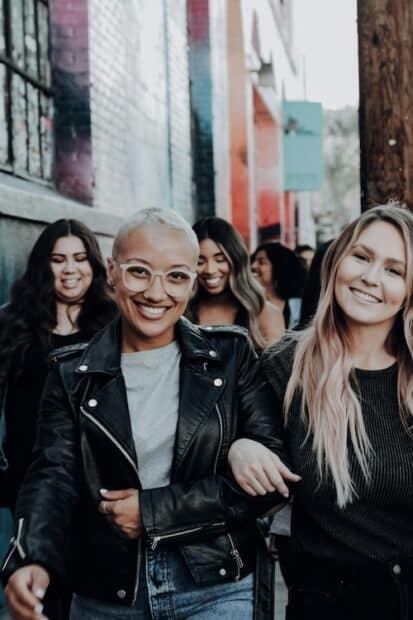



Global plus‑size modeling movement is taking center stage, honoring real bodies and shaking up runways and streets across continents. In this article, we’ll walk through inspiring examples, industry stats, and why global plus‑size modeling movement is more than a trend, it’s a revolution.
Why It’s a Movement, Not a Moment
Demand for size inclusivity isn’t confined to the U.S., it’s a global groundswell. The worldwide plus‑size clothing market is projected to grow from $178 billion in 2021 to over $325 billion by 2026—an annual uptick of around 5‑7% zipdo.co+2jobera.com+2worldmetrics.org+2. Likewise, in regions like Asia‑Pacific, growth is speeding even faster, about 7.3% through 2027 .
Yet representation on the runway hasn’t always kept pace. Vogue Business reported that at Spring/Summer 2024 Fashion Weeks (New York, London, Milan, Paris), only 0.9% of models were plus‑size—and that fell to 0.3% for Autumn/Winter 2025 en.wikipedia.org+5lsnglobal.com+5voguebusiness.com+5. But the global plus‑size modeling movement is pushing brands and agencies to do better, both in numbers and authentic inclusion.
Representation: Faces of the Movement
• Ashley Graham
- The first size‑16 model on the Sports Illustrated Swimsuit cover in 2016, and featured in Vogue 2017 venuez.dken.wikipedia.org+1nypost.com+1.
- She has advocated body‑positive messaging through her TED Talk and social channels, encouraging self-love and normalization of cellulite en.wikipedia.org+1theguardian.com+1.
• Jill Kortleve
- A Dutch-Dutch‑Surinamese-Surinamese-Indonesian-Indian model breaking high‑fashion barriers as Chanel’s first runway plus‑size face since 2010 glamour.com+4en.wikipedia.org+4gitnux.org+4.
- She’s also been on multiple Vogue covers, including in France, Spain, and Italia en.wikipedia.org.
• Ssunbiki (South Korea)
- Won a Maxim NaturalSize competition in 2021 and became the first plus‑size model on Maxim Korea’s August cover, spearheading size inclusivity in South Asia en.wikipedia.org.
• Denise Mercedes (USA)
- Influencer and designer behind the #BecauseItsMyBody campaign, she’s partnered with Target, Forever 21, and more to broaden representation and visibility en.wikipedia.org.
From Niche to Necessary: Market Forces Driving Change
- In the U.S., about 68–72% of women wear size 14+ voguebusiness.com+7worldmetrics.org+7gitnux.org+7.
- Globally, nearly 20% of women are plus‑size, and in nations like Canada, France, and Australia, statistics echo that standard globenewswire.com+3gitnux.org+3venuez.dk+3.
- Yet only around 7% of fashion ads in 2019 featured plus‑size models, even as 81% of women report that the industry doesn’t meet their needs gitnux.org.
Fashion isn’t just fashion—it’s business. Consumers want inclusive design and representation: plus‑size shoppers typically spend 20–40% more, and Almost 70% express frustration over limited options worldmetrics.org.
The Backlash: A Regressive Blip?
In recent seasons, a return to slender ideals is worrying. Industry insiders cite weight‑loss drugs and mid‑size preferences elbowing out curve visibility news.com.au+3thetimes.co.uk+3voguebusiness.com+3. London Fashion Week, for example, dropped from 85 to just 26 curvy models from 2023 to 2024 thetimes.co.uk. And Vogue Business warned of a slim upside with just 0.3% plus‑size showings by Autumn/Winter 2025 lsnglobal.com+2voguebusiness.com+2news.com.au+2.
Despite these setbacks, the global plus‑size modeling movement endures, fueled by fierce advocates and a savvy consumer base unwilling to let visibility slip away.
What’s Next?
- Brands like Nordstrom, Target, Universal Standard, and J.Crew are expanding inclusive lines globally glamour.com+3theguardian.com+3thetimes.co.uk+3lsnglobal.com+2venuez.dk+2glamour.com+2.
- Agencies like Storm Curve, Milk Management, Supa (UK), and BigGals Australia are casting real women, diverse in size, age, and background thetimes.co.uk.
- Consumers and influencers alike are hitting back against tokenism. Size‑inclusive isn’t a marketing tag, it’s the new standard.
The global plus‑size modeling movement is reshaping fashion norms, across NYC, Paris, Seoul, and beyond. With models like Ashley Graham, Jill Kortleve, Ssunbiki, and Denise Mercedes leading the charge, the call for visibility, relatability, and respect grows louder. Though runway representation still lags, global market growth, savvy consumers, and brand accountability signal that this movement is here to stay… and thrive.
MORE: Plus-Size Modeling Terms You Need to Know
Photo:
Photo: @LucasPicturesnyc
Model: Cheyenne Lee @thecheyennelee
You May Also Like

Say Yes to the Dress (and the Tunic, and the Leggings): How to Build a Capsule Wardrobe That Loves You Back – Partner

Taking Flawless Modeling Digitals at Home Without Professional Help

Confidence, Captured: Milton Franklyn Goedhoop and Sharon Dumfries on Launching Confidence Creators NL