


Anti-Diet Culture Wellness: How to Deal With Diet Culture in Media and Stay Positive
Anti-Diet Culture Wellness starts with understanding what diet culture actually is and how deeply it shows up in everyday media consumption. If you have ever scrolled, watched, or listened and suddenly felt like your body needed “fixing,” you have already encountered it. The good news is this: once you can see diet culture clearly, you can stop letting it run the show and start choosing wellness on your own terms.
This conversation is not about rules, restrictions, or perfection. It is about awareness, confidence, and redefining wellness in a way that supports women living real, full lives.
What Is Diet Culture, Really?
Diet culture is not just about dieting. It is a belief system that places thinness on a pedestal and quietly suggests that health, discipline, worth, and success all come in one body type.
Diet culture tells us:
Smaller bodies are better bodies
Food must be earned or restricted
Movement is only valuable if it burns calories
Your body is a project that is never finished
The reason Anti-Diet Culture Wellness matters so much right now is because diet culture has evolved. It no longer always looks like obvious crash diets. Today, it hides behind “clean eating,” “summer bodies,” before-and-after photos, and wellness trends that promise happiness once you look a certain way.
How Diet Culture Shows Up in Media
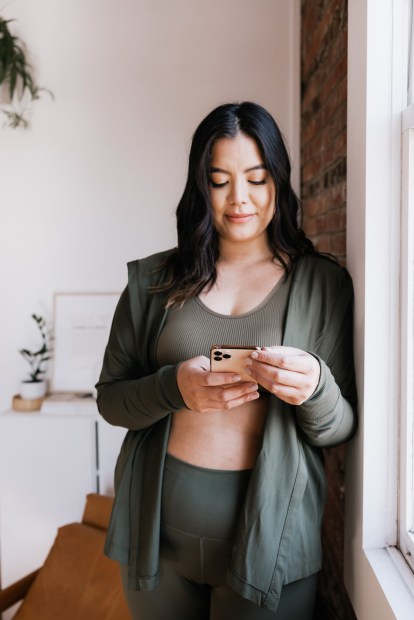
Media is one of diet culture’s favorite playgrounds. Even when content claims to be “motivational,” it can still reinforce harmful messages.
You might notice diet culture in the media when:
Headlines focus on shrinking, toning, or “fixing” bodies
Fitness content emphasizes aesthetics over strength or joy
Wellness advice is framed as moral behavior (good foods vs. bad foods)
Transformation stories erase the value of the body someone had before
Research shows that diet culture messaging on social platforms often includes negative body image content alongside “healthy lifestyle” posts, indicating conflicting messages that can affect how we view our bodies and eat. PubMed
This constant exposure can wear you down slowly. Anti-Diet Culture Wellness encourages a pause and a simple but powerful question: “Who benefits from me feeling inadequate right now?”
The Benefits of Yoga for All Sizes: Embracing Every Body
Why Diet Culture Is So Hard to Shake
Diet culture is powerful because it is normalized. Many women are introduced to it long before they have the language to question it. Compliments about weight loss, casual food guilt, and jokes about bodies are often treated as harmless.
But diet culture thrives on disconnection. It pulls people away from trusting their bodies and replaces that trust with rules, noise, and comparison. When wellness becomes something imposed instead of chosen, it stops feeling supportive and starts feeling exhausting.
This is exactly why Anti-Diet Culture Wellness centers autonomy. Your body is not a trend. It is not a problem to solve. It is a living, changing part of you that deserves respect.
Studies show that an estimated 9% of the U.S. population (about 28.8 million people) will experience an eating disorder in their lifetime, and among women, roughly 15% will suffer from an eating disorder by midlife. ANAD
Importantly, people with eating disorders are at significantly higher risk for mental health crises — individuals with more severe symptoms are 11 times more likely to attempt suicide than those without, and anorexia has one of the highest mortality rates among mental illnesses. ANAD
How to Deal With Diet Culture in Media
You do not need to disconnect from media completely to protect your mindset. You need intention.
Curate your feed deliberately. Follow accounts that reflect diverse bodies, abilities, ages, and lived experiences. Representation shapes perception more than many people realize.
Change how you consume content. Instead of absorbing messages passively, engage critically. Ask what emotion a post is trying to trigger and why.
Unfollow without guilt. If content consistently makes you feel smaller, behind, or broken, it does not deserve space in your mental ecosystem.
Staying positive does not mean pretending diet culture does not exist. It means choosing self-respect even when the messaging is loud.
Mindset shifts that support Anti-Diet Culture Wellness include:
Wellness is about how you feel, not how you look
Movement can be joyful, gentle, powerful, or restful
Food is nourishment, culture, pleasure, and connection
Your body does not owe anyone an explanation
Positivity grows when wellness feels supportive instead of punishing. When movement is chosen, not forced. When food is eaten without fear. When rest is honored, not justified.
Where To Get Mental Health Support if You Are Struggling
If diet culture has contributed to distress, professional support and community help are important and available. Here are reliable options where people can find mental health support related to body image, eating concerns, or related struggles:
National and community helplines (U.S.):
SAMHSA’s National Helpline: Call or text 988 (24/7) for crisis support and referrals to mental health services. SAMHSA
NAMI Helpline: Phone (800) 950-6264 or text 62640 for emotional support and information on treatment options. The Mental Health Line
Specialized eating concerns support:
National Eating Disorders Association (NEDA): Offers screening tools, support groups, and resources to connect with treatment options. National Eating Disorders Association
National Association of Anorexia Nervosa and Associated Disorders (ANAD): Free peer support, helpline, and treatment referrals for people with eating disorders. Call 1-888-375-7767. ANAD
TWLOHA (To Write Love On Her Arms): Offers tools to locate local mental health professionals and support for eating disorders. TWLOHA
Online and peer support communities:
DailyStrength: Free peer support groups on various mental health challenges, including eating and body image concerns. Wikipedia
If you or someone you know is experiencing thoughts of self-harm or an active crisis, calling 988 immediately (in the U.S.) connects you with trained counselors who can help right away. SAMHSA
Redefining Wellness on Your Own Terms
Wellness should meet you where you are, not where a trend says you should be. Anti-Diet Culture Wellness is not about rejecting health. It is about rejecting the idea that health has only one look or one path.
True wellness allows for flexibility, compassion, and autonomy. It adapts as life changes. It honors lived experiences instead of erasing them. Most importantly, it gives women permission to exist fully in their bodies right now, not someday.
Diet culture may be loud, but it is not all-powerful. Awareness is the first step. Choice is the second. Anti-Diet Culture Wellness invites women to stop outsourcing their worth and start listening inward instead.
You are allowed to feel strong without shrinking. You are allowed to pursue wellness without punishment. And you are absolutely allowed to take up space — confidently, unapologetically, and on your own terms.
You May Also Like


Browse PMM Today

Finding Peace Through Guided Meditation

How to Get Into Plus Size Modeling: A Realistic, Beginner-Friendly Guide for 2026

Marina Rinaldi x World Woman Foundation Event

Top 20 Songs for the Backdrop of Your Life

Fit, Fierce & Fabulous: Easy Workouts for Busy Women

A Love Letter to Leggings: The MVP of Every Woman’s Closet
Explore by topic: Models & Modeling · Cover Model · Fashion, Style & Beauty · Featured Interviews · Trends