

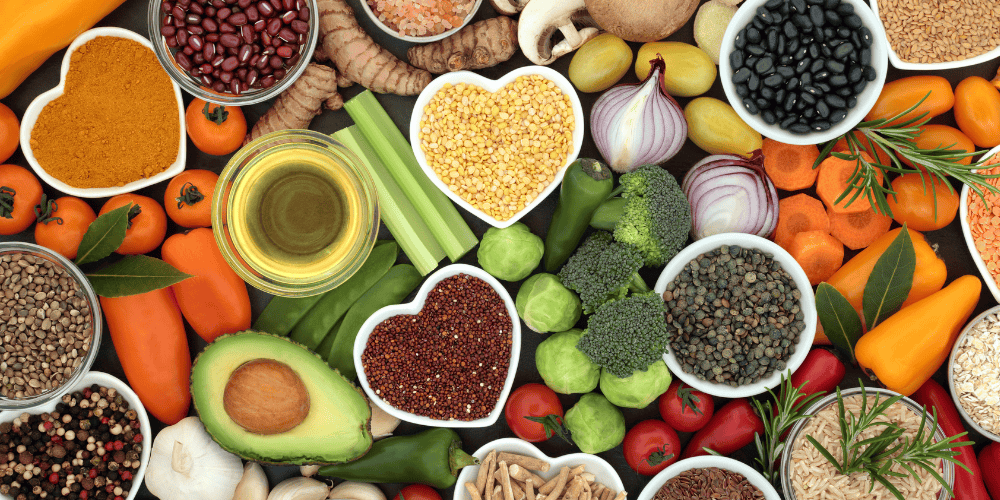

In recent years, the term “balancing your gut” has gained prominence, highlighting the intricate connection between our digestive system and overall health. A balanced gut not only aids in digestion but also plays a pivotal role in regulating hormones and metabolism. Let’s delve into how your diet can influence these vital bodily functions.
Understanding the Gut-Hormone Connection
Our gut is often referred to as the “second brain” due to its extensive network of neurons and its ability to produce various hormones. This complex system, known as the enteric nervous system, communicates directly with our central nervous system, influencing mood, appetite, and metabolic processes. A balanced gut ensures the proper secretion of hormones like serotonin, which regulates mood, and ghrelin, which controls hunger.
MORE: Natural Strategies to Balance Your Hormones
Diet’s Role in Balancing Your Gut
What we eat profoundly impacts the composition and health of our gut microbiome—the trillions of bacteria residing in our digestive tract. A diverse and balanced microbiome is essential for optimal digestion, hormone regulation, and metabolism. Here’s how you can achieve this balance:
- Increase Fiber Intake: Dietary fiber serves as food for beneficial gut bacteria. Consuming high-fiber foods like chia seeds, pomegranate seeds, chickpeas, raspberries, prunes, artichokes, sweet potatoes, barley, sunflower seeds, and green peas can promote a healthy microbiome.
- Incorporate Fermented Foods: Foods like yogurt, kefir, sauerkraut, and kimchi are rich in probiotics, which introduce beneficial bacteria into the gut, aiding in digestion and hormone production.
- Choose Whole Grains: Whole grains contain beta-glucan, a type of soluble fiber that supports gut health by promoting the growth of beneficial bacteria and improving metabolic functions.
- Limit Processed Foods and Sugars: High consumption of processed foods and sugars can disrupt the balance of gut bacteria, leading to inflammation and hormonal imbalances.
Gut Health and Metabolism
A balanced gut plays a crucial role in metabolic processes. The gut microbiota influences the absorption and storage of nutrients, impacting energy expenditure and fat storage. By balancing your gut through a nutrient-rich diet, you can enhance metabolic efficiency, leading to better energy levels and overall health.
Practical Tips for Balancing Your Gut
- Stay Hydrated: Water aids in digestion and helps maintain the mucosal lining of the intestines, supporting a healthy gut environment.
- Manage Stress: Chronic stress can negatively affect gut health. Incorporate stress-reducing practices like meditation, yoga, or deep breathing exercises into your routine.
- Get Adequate Sleep: Quality sleep is essential for the repair and maintenance of gut lining and overall hormonal balance.
By focusing on balancing your gut through mindful dietary choices and lifestyle practices, you can positively influence your hormones, digestion, and metabolism, paving the way for improved health and well-being.